

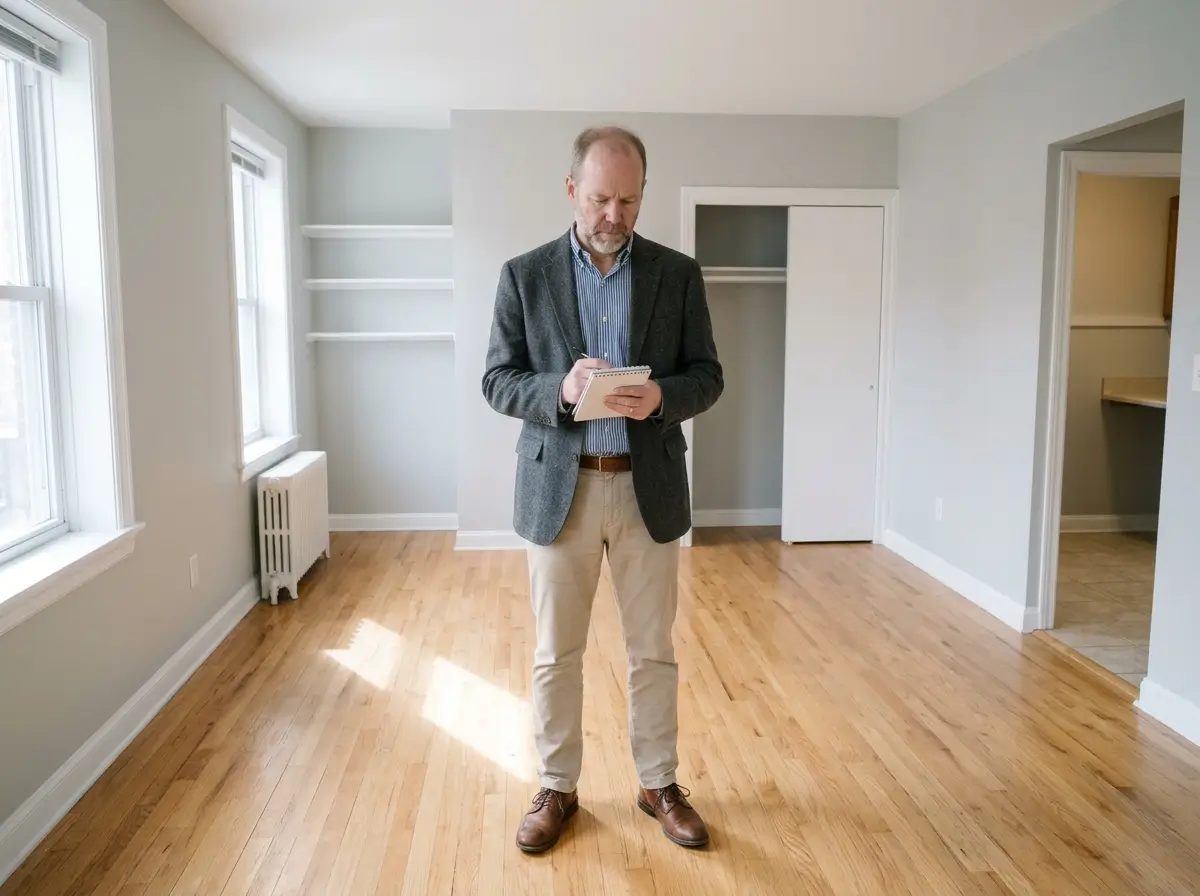
Every landlord will eventually face an empty unit. Even in a strong rental market, tenants can move out, leases can end, and life can change. The difference between a short gap and a prolonged vacancy comes down to preparation. Landlords can plan ahead and treat vacancy as a predictable part of the business cycle instead of an emergency, and here’s how you can get ready for it.
Key Highlights:
- Plan your finances first. Keep a dedicated vacancy fund of one to two months' rent per unit, plus a cushion for repairs and cleaning.
- Time your leases wisely. Aim for lease expirations in late spring and summer, when Portland rental demand is highest.
- Start marketing early. Begin as soon as a tenant gives notice, and ask to photograph the unit while it's still occupied, following Oregon's notice-of-entry rules.
- Use a repeatable turnover checklist. Document the move-out condition, clean, rekey, test safety alarms, check for moisture and pests, and rely on a trusted vendor network.
- Upgrade strategically. Affordable improvements like fresh paint, durable flooring, and updated lighting can help the unit rent faster. Research what your target market wants before you spend.
1. Build a Reserve Fund for Vacancies
Having a cash reserve is a common practice for landlords, but having a separate fund for vacancies will give you more breathing room. Your bills won’t wait for your rental unit to be occupied and start generating income again. You have to worry about mortgage payments, property taxes, insurance, and utilities.
The common rule of thumb is to have at least 1 or 2 months of rent per unit in reserve, along with an allowance for repairs and cleaning. If you own several units, calculate your expected vacancy rate. Many small landlords budget for roughly five to eight percent of annual rent being lost to vacancy and turnover.
2. Start Early With Lease Timing
The best vacancy is the one that doesn’t happen. When a tenant gives notice, begin marketing the unit immediately, as long as it’s within the bounds of your lease terms and Oregon’s notice requirements. It’s best to consider the seasonality of Portland’s rental market as well.
Demand tends to rise during late spring and summer, when families or students relocate for work. Timing your lease expirations can be beneficial, so when a tenant decides not to renew their lease, your unit becomes vacant when more potential tenants are looking. You can even charge higher rent prices, as long as they don’t exceed the state’s rent cap.
3. Communicate With Departing Tenants
A cooperative tenant is an asset. Ask for notice as far in advance as you legally can, and request permission to photograph the unit and show it to prospective tenants while it’s still occupied. Do note that Oregon has notice requirements for entry. Be reasonable and flexible with your scheduling, and make sure it’s convenient for the tenant.
It’s also wise to schedule a pre-move-out walkthrough so you can identify cleaning and repair needs early. Whether you or the tenant covers it, it doesn’t change the fact that you have to book contractors and order materials before the keys are returned, which can shave days off your turnaround time.
4. Streamline Your Turnover Process
The turnover process can take a lot of time if you don’t have a system in place. You can use a repeatable checklist to streamline it, and the routine typically includes:
- A well-documented move-out inspection that includes photos and videos, compared with the move-in condition report
- Deep cleaning, carpet or floor care, and fresh paint when needed
- Lock rekeying or replacement, or changing the access code to smart locks
- Testing smoke and carbon monoxide alarms, which are required to be in working condition for the beginning of every tenancy
- Checking for water intrusion, mold, and pest issues
- Servicing heating systems when vacancies fall before colder months
Establishing a reliable vendor network can make maintenance coordination easier. That list can include cleaners, painters, handymen, and contractors who can revamp your rental property. Vendors tend to prioritize landlords who send steady work, so find vendors who offer great-quality workmanship and go from there.
5. Consider Upgrades to Shorten Vacancies
In some cases, when you lose a tenant who has lived in your rental property for years, some of the features may already be outdated by the time they leave. If you haven’t upgraded your rental unit during their tenancy, now is the best time to do so.
For furnished properties that come with appliances, check whether they are better and more efficient models you can replace, as well as furniture that might already be too worn for the next tenant. Your upgrades don’t have to be expensive. Some of your cost-effective options are:
- Repainting the walls
- Adding durable flooring
- Installing new shelves or cabinets
- Replacing old lighting fixtures
- Upgrading to smart devices
Research which amenities or rental property features are in demand with your target market before you invest in any improvements, to make sure that they actually make a difference in shortening vacancies and attracting tenants.
FAQs
How much should I save for vacancies?
- A common guideline is one to two months of rent per unit, plus a separate allowance for repairs and cleaning. Many small landlords also budget around five to eight percent of annual rent for vacancy and turnover.
When should I start marketing a vacant unit?
- As soon as the tenant gives notice, provided you stay within your lease terms and Oregon's notice requirements. Listing early lets you line up the next tenant before the unit is empty.
What's the best time of year to have a unit become available?
- Late spring and summer tend to be the busiest, since that's when more families, students, and workers are relocating. Timing lease expirations for those months can shorten vacancies.
Staying Profitable Despite Turnovers
Vacancies are a normal part of owning a rental property, but they don’t have to be stressful. With a healthy reserve fund, smart lease timing, early communication, an efficient turnover process, and well-chosen upgrades, you can keep downtime short and your income steady.
Still, doing all of this yourself takes time, from coordinating vendors to researching the Portland rental market. That can take you away from your obligations to your current tenants. Let someone else handle the responsibility of finding new and reliable tenants for your property.
With Oregon Real Estate Group, you will gain access to market insights, effective marketing, and optimized listing generation. Let us worry about attracting tenants, and you can focus on more important aspects of your rental business.
Contact us now and learn about our services!
More Resources:
Portland's FAIR Ordinance: What Landlords Need to Know Before Screening a Single Applicant
What Happens After You Hire a Portland Property Manager: Your First 90 Days